Derby · Darley Abbey · DE22
Your child isn’t lazy. And you’re not imagining it.
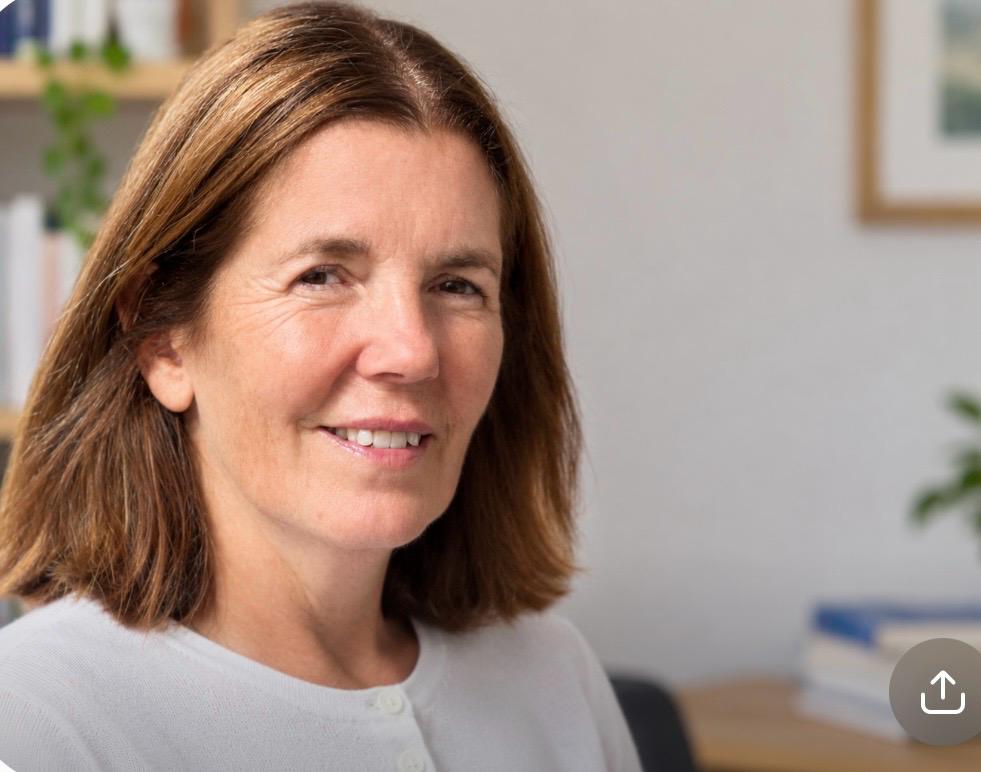
I’m Joanne Fishwick. For more than twenty years I’ve worked with primary children in Derby classrooms, and for the last few of those, specifically with the ones who find reading and spelling hard. I now do that one to one, from my home in Darley Abbey.
You already know something isn’t right
Most parents get in touch because of one of these. None of them need a diagnosis first.
- Homework ends in tears — theirs, or yours, or both.
- They’re bright. They talk brilliantly. The reading doesn’t match the child.
- School has said to wait and see, or that they’re “within the normal range”.
- You’ve asked about testing and been told about the waiting list.
- They’ve started saying that they hate school.
- You have a report that says dyslexia, and nothing has changed since it arrived.
The reading is what you can see. What most parents actually want back is the child who used to have a go at things.
Start with a clear picture
Before any tutoring, I spend a session finding out exactly where your child is — what they can do, where it breaks down, and what’s getting in the way. You get a short written summary in plain English that you can read, and that you can take to school.
This is an informal, curriculum-based assessment. It is not a formal diagnosis, and I’m straight with parents about that — see below. But it tells you what’s going on, it tells us where to start, and it gives you something concrete in your hand when you next sit down with the SENCO.
Where are we?
A first session with your child, plus a written summary of what I found and what I’d recommend. Many families start and stop here, and that’s fine.
£95Weekly one to one
Structured, multisensory sessions built around your child, following on from what the first session showed. Usually weekly, term time, at my home.
£35 an hourHelp with school
What to ask for, what the words mean, and what a school can reasonably put in place. Included as we go — you won’t be charged extra for a phone call.
IncludedWhat happens, in order
-
We talk, for free
Twenty minutes on the phone. You tell me what you’re seeing at home. I tell you honestly whether I’m the right person, and what I’d do first. No pressure to book anything.
-
I meet your child
One session, just the two of us, working through activities that look like games and tell me a great deal. Nothing about it feels like a test to them.
-
You get it in writing
A short summary: what they’re strong at, where the gaps are, what I’d work on, and what would help at school and at home.
-
We get going
Weekly sessions, if that’s what you want. I’ll tell you at the end of each half term what has shifted and what hasn’t. Children move on when they’re ready to, not when the block booking runs out.
Why me?
I’ve spent more than twenty years in primary education and I have a degree in child psychology. More recently I studied with the British Dyslexia Association in Dyslexia and Literacy Support, and I hold Accredited Practitioner Status (APS) with the BDA.
In school, once difficulties have been spotted, I’m the person who takes action. I screen the child and feed back findings. Sometimes the family seeks a formal assessment — and then I’m the one supporting that child week after week afterwards. That whole sequence is what I’m offering here, to families who don’t happen to be at my school.
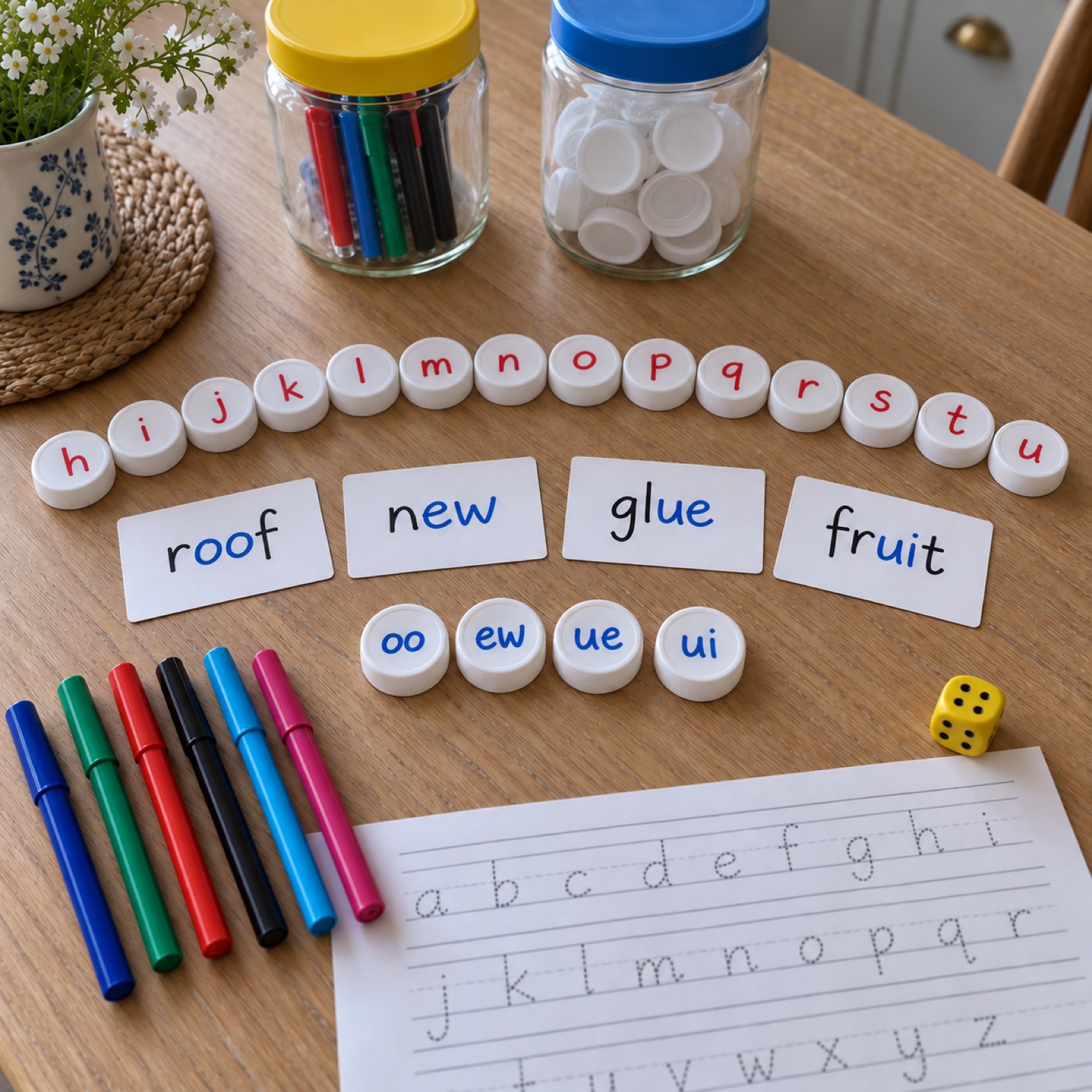
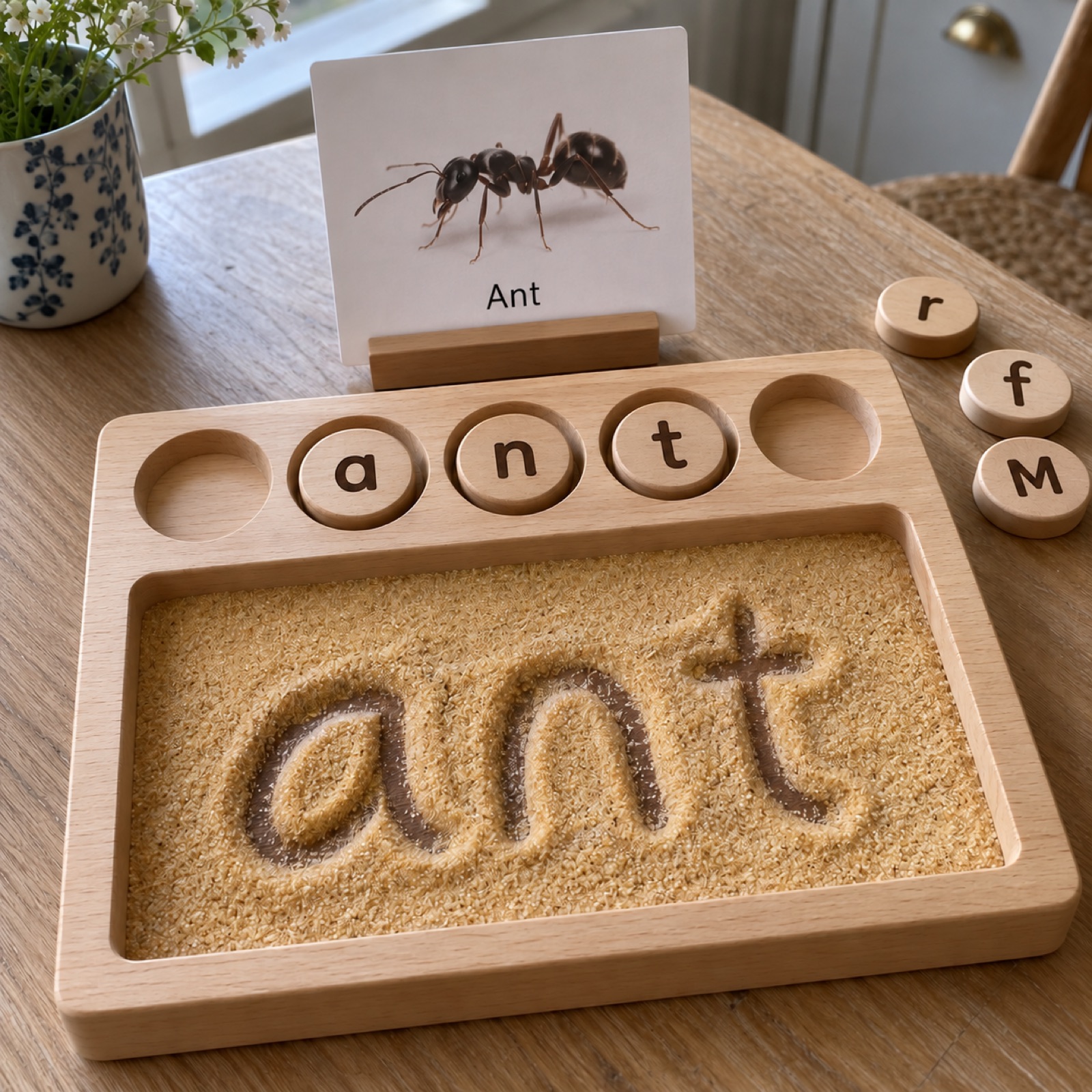
I’m also fairly relaxed about it. Children sit at my kitchen table. We do twenty minutes of hard work and then something they’re good at. I’ve never met a child who couldn’t get somewhere.
Straight answers
Can you diagnose my child with dyslexia?
No, and I’d be wary of anyone who says otherwise without the right accreditation. A formal diagnostic assessment has to be carried out by an assessor holding AMBDA or an Assessment Practising Certificate, or by an educational psychologist.
What I can do is carry out an informal, curriculum-based assessment, tell you clearly what I’m seeing, and point you to a properly qualified local assessor if a formal report is what you need. Plenty of families find the informal picture is enough to get moving, and come back to the formal route later.
Do we need a diagnosis before we start?
No. The teaching doesn’t wait for the paperwork. If your child is struggling with reading or spelling, the work is much the same whether or not there is a report in a drawer.
Where do sessions happen?
At my home in Darley Abbey. I don’t travel to families’ homes. Sometimes online works well for a lot of children, particularly older ones — we can talk about which would suit yours.
How much does it cost?
£95 for the first session including the written summary, then £35 an hour for weekly sessions. If you need to cancel, tell me the day before and there’s no charge.
How long before we see a difference?
Confidence usually shifts first, often within a few weeks. Reading and spelling take longer, and depend a great deal on the child. I’ll be honest with you about what I’m seeing rather than telling you what you want to hear.
Are you DBS checked and insured?
Yes — enhanced DBS, and professional indemnity and public liability insurance. Happy to show you both.
What ages do you work with?
Primary age is where I’m strongest — roughly six to eleven — and that’s where early support makes the biggest difference. I do take some younger secondary children; ask me.
Start with a conversation
It’s free, it takes twenty minutes, and there’s nothing to sign. Tell me what’s been happening and I’ll tell you what I’d do.
If it’s easier to write it down than say it out loud, email is completely fine. I read everything myself.